
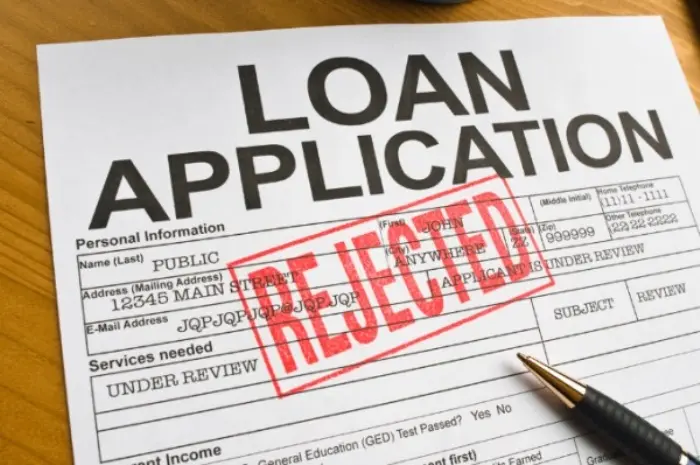
Experiencing rejection on a loan application can be disheartening and frustrating, especially if you had high hopes of securing the funds you needed.
However, it’s essential to remember that a loan rejection is not the end of the road. In fact, it can be an opportunity for growth and improvement in your financial situation.
In this comprehensive guide, we’ll explore several tips for dealing with loan application rejection, empowering you to navigate this setback effectively and move forward with confidence.
1. Understand the Reasons for Rejection
The first step in dealing with a loan application rejection is to understand the reasons behind the decision.
Lenders typically provide a specific explanation for why your application was declined, whether it’s due to credit history, income, debt-to-income ratio, or other factors.
Take the time to review the rejection letter or communication from the lender carefully, and seek clarification if needed. Understanding the reasons for rejection will help you identify areas for improvement and take proactive steps to address them.
2. Review Your Credit Report
One common reason for loan application rejection is a poor credit history or low credit score. If this is the case, it’s essential to review your credit report to identify any errors or negative items that may be impacting your creditworthiness.
Request a free copy of your credit report from major credit bureaus such as Equifax, Experian, or TransUnion, and carefully review the information provided.
Dispute any inaccuracies or outdated information with the credit bureaus to ensure that your credit report reflects your true financial standing.
3. Improve Your Credit Score
If your credit score is the primary reason for loan rejection, focus on improving your creditworthiness to increase your chances of approval in the future.
Start by making timely payments on existing debts, reducing credit card balances, and avoiding new credit inquiries.
Consider enrolling in credit counseling or financial literacy programs to gain valuable insights and strategies for managing your finances responsibly.
Over time, as you demonstrate responsible financial behavior, your credit score will improve, making you a more attractive candidate for future loan applications.
4. Explore Alternative Lenders and Loan Options
If traditional lenders have rejected your loan application, consider exploring alternative lenders and loan options that may be more suitable for your financial situation.
Online lenders, credit unions, and community banks often have more flexible eligibility criteria and may be willing to work with borrowers with less-than-perfect credit histories.
Research different lenders, compare interest rates and terms, and choose a reputable institution that offers loans tailored to your needs and circumstances.
5. Build a Stronger Financial Profile
Use the loan rejection as an opportunity to reassess your financial goals and priorities and take proactive steps to strengthen your financial profile.
This may involve increasing your income through additional employment or freelance opportunities, reducing expenses, building an emergency savings fund, or paying down existing debts.
By demonstrating financial stability and responsibility, you’ll improve your chances of loan approval in the future and position yourself for long-term financial success.
6. Consider a Co-Signer or Collateral
If you’re unable to qualify for a loan on your own, consider enlisting the help of a co-signer or offering collateral to secure the loan.
A co-signer with a strong credit history and stable income can increase your chances of approval by assuming responsibility for the loan if you default.
Similarly, offering collateral such as a vehicle, property, or savings account can provide added security for the lender and improve your chances of securing the funds you need.
7. Maintain a Positive Outlook and Persistence
Finally, remember that a loan rejection is not a reflection of your worth as an individual but rather a temporary setback in your financial journey.
Stay positive, remain persistent, and continue working towards your financial goals with determination and resilience. Use the experience as an opportunity to learn and grow, and view it as a stepping stone towards achieving greater financial stability and success in the future.
Conclusion
Dealing with loan application rejection can be challenging, but it’s essential to approach the situation with a proactive and positive mindset.
By understanding the reasons for rejection, reviewing your credit report, improving your credit score, exploring alternative lenders, building a stronger financial profile, considering co-signers or collateral, and maintaining persistence, you can overcome this setback and move closer to achieving your financial goals.
Remember that with determination, patience, and perseverance, you’ll ultimately find the right financial solution that meets your needs and enables you to thrive.